ERP Software for Manufacturing Businesses
A factory is two businesses that have to agree with each other: a floor that turns raw material into pieces, and a counter that turns pieces into cash. The cost on the invoice should be the cost of actually making the thing.
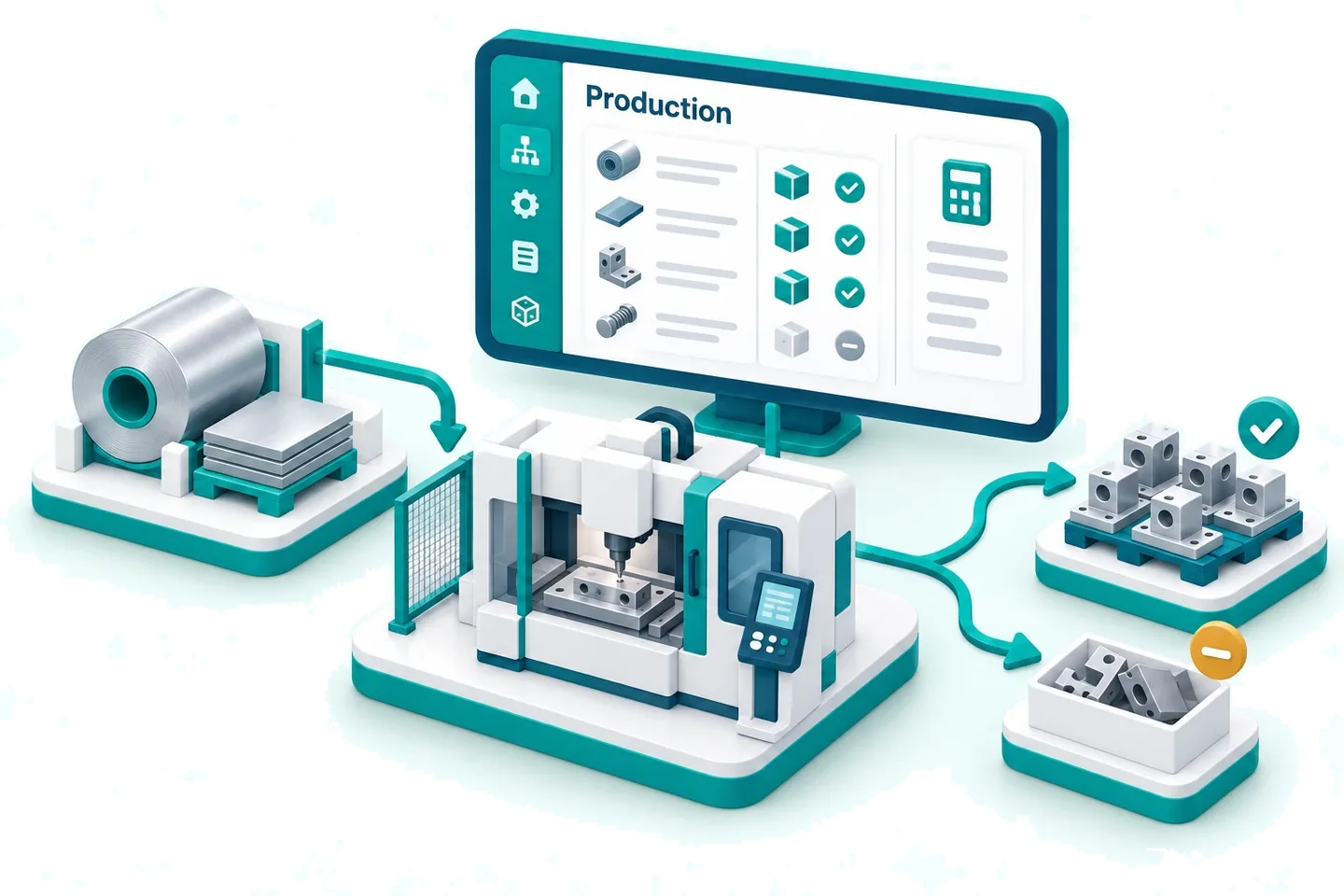
The problem
Where factory costing usually breaks
The cost is worked out afterwards
A spreadsheet prices the run once it is finished, so nobody knew the margin while there was still time to change it.
Raw material and finished goods are separate worlds
Consuming material and creating stock are two entries in two places, and they drift apart within a month.
Rejects quietly disappear
Waste is written off in a note somewhere rather than against the run that produced it, so yield is never really known.
Nobody can say where a batch is
Which runs are open, which are on hold and which are done lives in somebody’s head or on a whiteboard.
The answer
How Biznify runs a production floor
The plan is costed as it is built, from a bill of materials that shows what is in stock beside each line — and finishing it moves real stock, both ways.
- Costed while you plan
- One board for every run
- Waste written off properly
What you would use
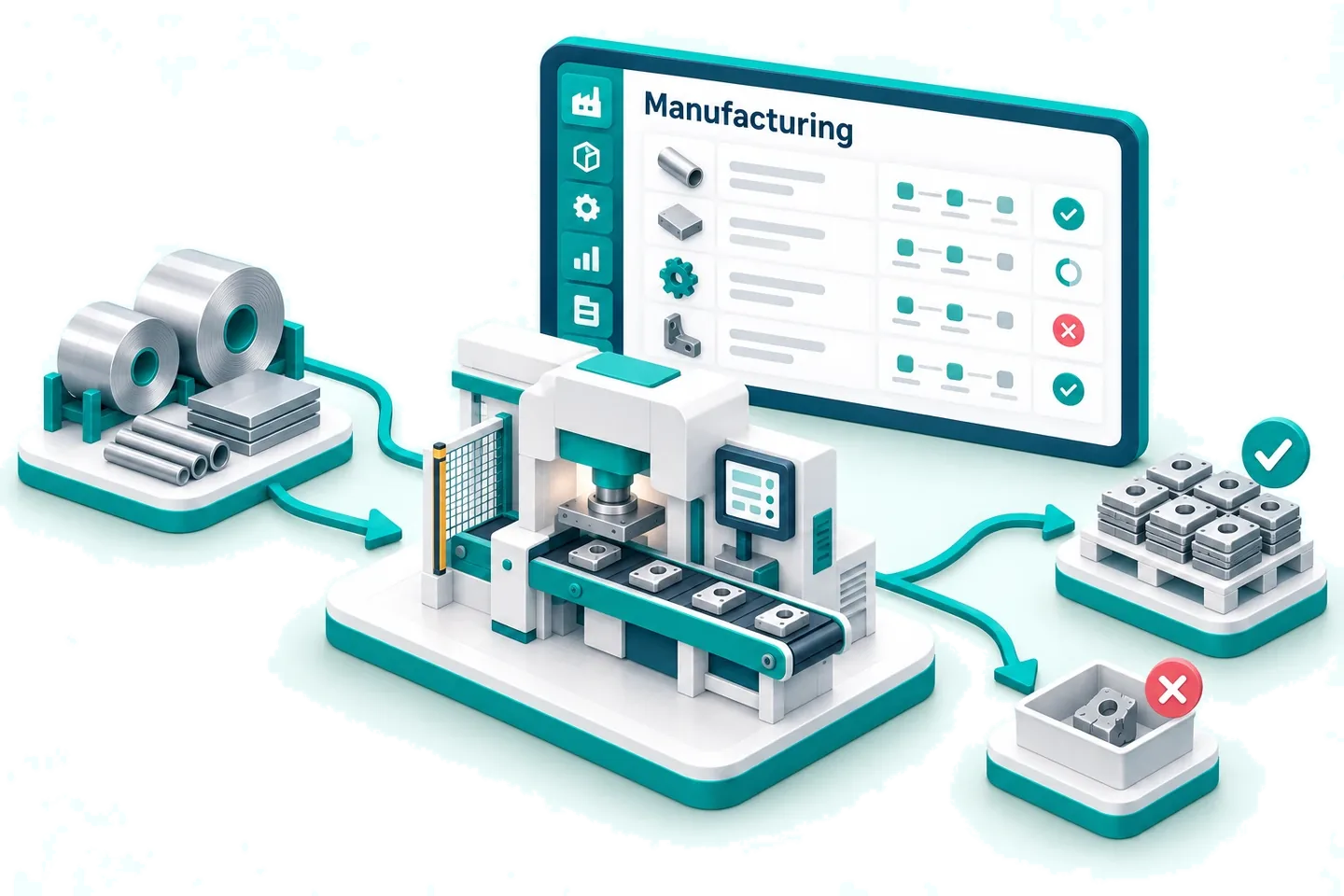
What a production run carries
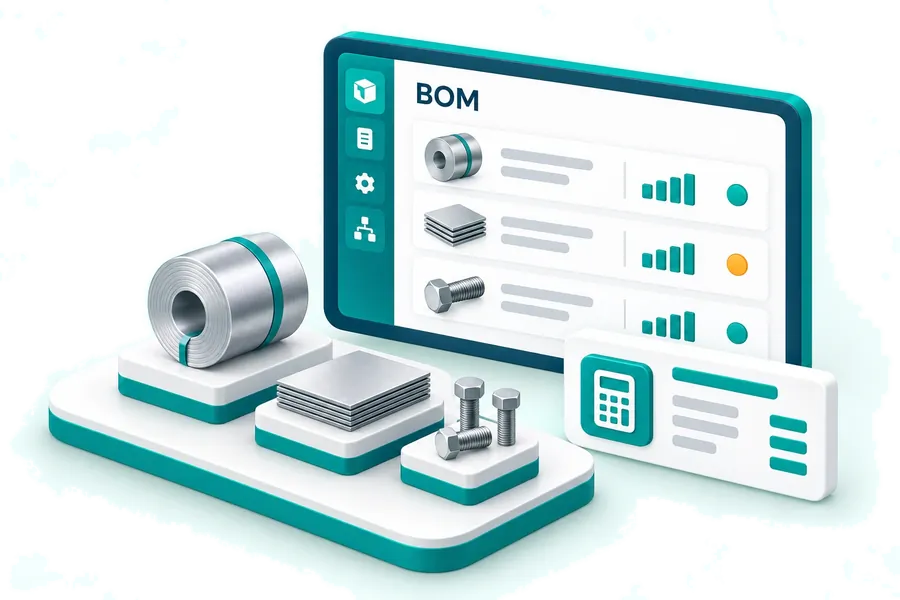
A bill of materials that prices itself
Per-production cost is calculated as you build the plan, with live in-stock quantities beside every material so you know what you are short of.
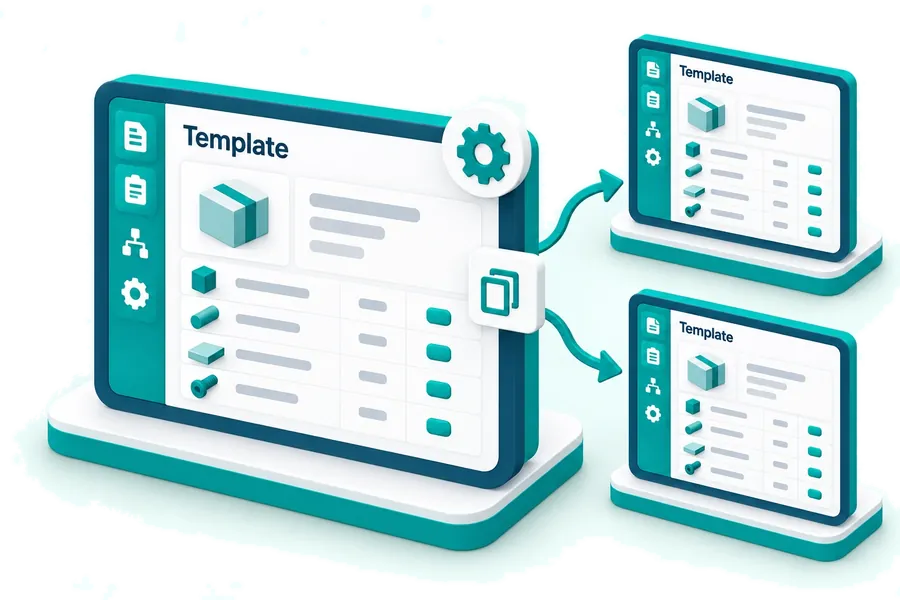
Reusable plan templates
The thing you make every week is not rebuilt from nothing each time, which is also what keeps two runs of the same product costed the same way.
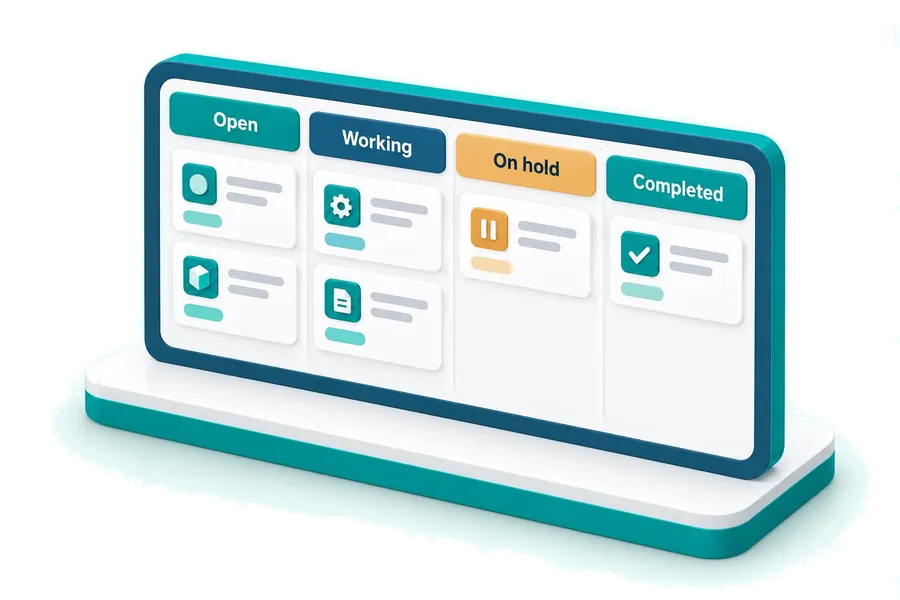
A board from open to completed
Open, working, on hold, completed — every batch sits in one of four columns, and anybody can see which.
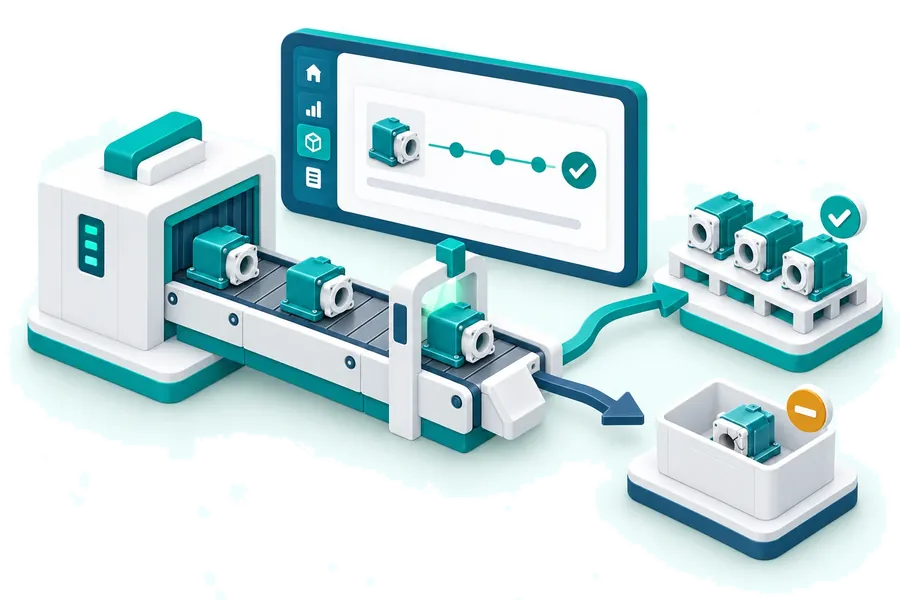
Finished goods in, waste out
Completing a run puts sellable stock in and writes rejects off separately, so yield is a figure rather than a feeling.
Questions
Frequently Asked Questions
Does the cost of a production run update as material prices change?
Per-production cost is calculated from the bill of materials as the plan is built, so the figure reflects the costs in the system at the time you plan the run.
Can I reuse a plan for something I make regularly?
Yes. Production plans can be saved as templates and started from, which also keeps repeat runs of the same product costed the same way.
How is waste handled?
Rejects are recorded as waste goods against the run rather than being netted off quietly, so the finished quantity and the loss are both on the record.
Are there printed production reports?
Not yet. Biznify has 40 reports in five groups — sales, purchases, accounting, HRM and inventory — and manufacturing is not one of them. Production is tracked on the board and costed from the bill of materials, so a printed production report would mean exporting inventory today.
Other industries
ERP for every kind of business
- SME BusinessThe whole thing, at a small scale
- Retail ShopCounter, stock and daily takings
- Wholesale BusinessBulk pricing, credit and collections
- Distribution & Supply ChainRoutes, vans and delivery to shops
- E-commerce BusinessOnline orders beside the shop floor
- Service Based BusinessesBillable work rather than stock